
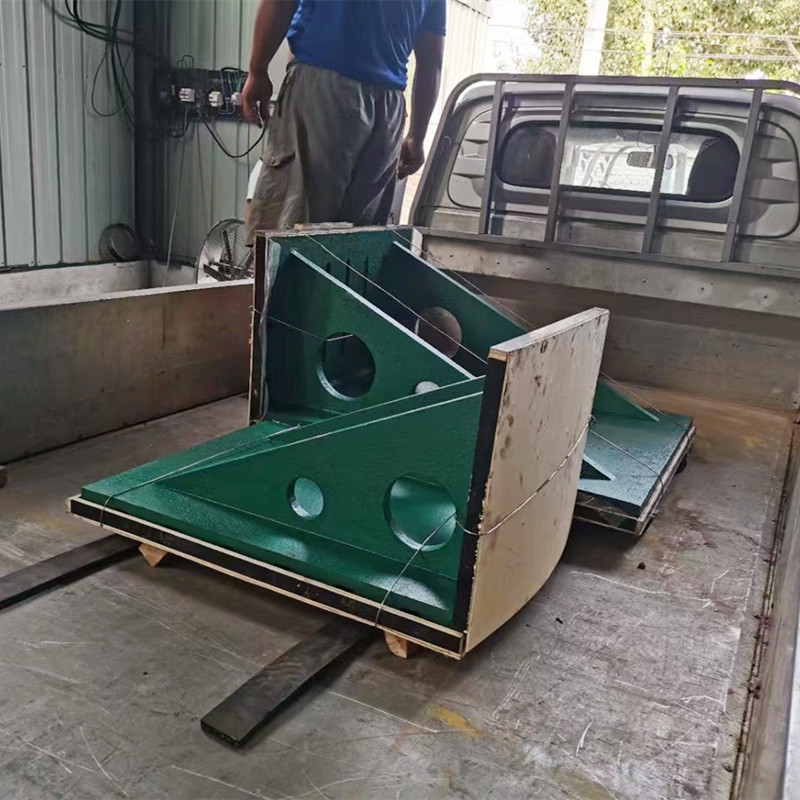
8mm mirror price
Introduction to Spline Plug Gauges and Industry Trends In precision engineering and manufacturing, the accuracy of components is paramount. Among the critical tools used for dimensional inspection, the spline plug gauge stands out for its specialized role. Unlike standard plain plug gauge , which verify simple bore diameters, a spline plug gauge is designed to inspect internal spline profiles, ensuring the correct tooth form, pitch diameter, and runout of mating parts. This instrument is indispensable in industries where precise power transmission and rotational alignment are crucial, such as automotive, aerospace, heavy machinery, and defense. The global market for precision measurement tools, including various types of plug gauge s, is experiencing steady growth, driven by increasing automation, stringent quality control standards, and the demand for higher component reliability. According to market analysis reports, the global metrology equipment market is projected to reach over USD 13 billion by 2027, with a significant portion attributed to specialized gauges. The trend towards miniaturization and higher complexity in mechanical designs further accentuates the need for sophisticated inspection tools like the spline plug gauge . Manufacturers are increasingly adopting advanced materials and precision machining techniques to produce gauges that offer extended service life, improved accuracy, and enhanced resistance to wear and corrosion. Digital integration and smart manufacturing initiatives are also influencing the design and application of these gauges, allowing for better data collection and process control. Manufacturing Process Flow of Spline Plug Gauges The manufacturing of a high-precision spline plug gauge is a meticulous process, demanding exceptional control over material selection, machining, heat treatment, and finishing. This intricate process ensures the gauge's accuracy, durability, and compliance with rigorous international standards. 1. Material Selection The foundation of a reliable spline plug gauge lies in its material. Typically, high-grade tool steels such as O2, D2, S7, or specialty gauge steels are employed. These materials are chosen for their excellent wear resistance, dimensional stability after heat treatment, and machinability. Chromium steel (e.g., GCr15 or AISI 52100) is also a common choice due to its high hardness and wear resistance properties post-hardening. For applications requiring extreme corrosion resistance or non-magnetic properties, specific stainless steels or ceramic materials might be considered. 2. Initial Forming & Machining Forging/Casting: Depending on the material and desired grain structure, initial blanks may be forged for improved material integrity and strength, especially for larger gauges. Smaller gauges might start from precision-ground bar stock. Rough Machining (CNC Turning/Milling): The material blank is then machined to approximate dimensions, including the basic cylindrical form and initial tooth profiles for the spline. CNC machining offers high precision and repeatability at this stage. 3. Heat Treatment Heat treatment is critical for achieving the required hardness and wear resistance. This typically involves: Hardening: Heating the steel to an austenitizing temperature followed by quenching (e.g., oil or gas quenching) to achieve high hardness (typically 60-65 HRC for tool steels). Tempering: Reheating the hardened steel to a lower temperature to improve toughness and reduce brittleness while maintaining sufficient hardness. Multiple tempering cycles may be used for optimal properties. Stabilization: Sub-zero treatment or cryogenic treatment may be applied to further stabilize the material structure and minimize residual stresses, preventing dimensional changes over time. 4. Precision Grinding & Finishing This is the most critical stage for achieving the final spline profile and dimensional accuracy. Spline Grinding: Specialized spline grinding machines are used to precisely grind the tooth profile, ensuring correct involute or serration forms, pitch diameter, and tooth thickness. This process removes minimal material to achieve the final dimensions and surface finish. Lapping/Polishing: For ultra-fine surface finishes and critical fits, the gauge may undergo lapping or polishing processes to remove microscopic irregularities and achieve specified surface roughness (e.g., Ra < 0.2 µm). 5. Inspection & Certification Every spline plug gauge undergoes rigorous inspection to ensure compliance with relevant standards such as ISO 4156, ANSI B92.1, or DIN 5480. Dimensional Metrology: Measurements are performed using high-precision equipment, including CMMs (Coordinate Measuring Machines), optical comparators, and dedicated spline measuring instruments, to verify all critical dimensions (pitch diameter, major diameter, minor diameter, tooth thickness, runout, form). Surface Finish Testing: Profilometers are used to check surface roughness. Hardness Testing: Rockwell hardness testers verify the material's hardness. Calibration: Each gauge is calibrated against master standards, and a calibration certificate is provided, traceable to national or international standards. This meticulous process ensures that each spline plug gauge delivers exceptional accuracy and reliability, contributing to the overall quality and performance of mechanical systems. Technical Specifications and Parameters The performance and application suitability of a spline plug gauge are defined by its technical specifications. These parameters are crucial for engineers to select the correct gauge for their specific inspection requirements. Key Technical Parameters of a Spline Plug Gauge Parameter Description Typical Range / Value Standard Compliance Material Hardness Resistance to indentation and wear, critical for service life. 60-65 HRC ASTM E18, ISO 6508 Surface Roughness (Ra) Smoothness of the gauge surface, affecting measurement accuracy and wear. 0.2 – 0.4 µm (8 – 16 µin) ISO 4287, ANSI B46.1 Gauge Tolerance Class Precision grade indicating manufacturing allowance. Class X, XX, Y, Z (ISO, ANSI) ISO 1938-1, ANSI B89.1.5 Pitch Diameter Fundamental diameter of the spline, critical for concentricity. Ø5 mm to Ø300 mm+ ISO 4156, ANSI B92.1 Number of Teeth Corresponds to the internal spline to be inspected. 4 to 100+ Design Specific Pressure Angle Angle of the spline tooth flank, e.g., 30° for involute splines. 20°, 30°, 45° ISO 4156, ANSI B92.1 Tolerance Type GO (functional limit) and NOGO (effective limit) gauges. Go/No-Go ISO, ANSI, DIN Application Scenarios and Technical Advantages The robust design and precision manufacturing of a spline plug gauge enable its application across a multitude of demanding industrial sectors. Its core function is to ensure the interchangeability and correct fit of spline components, which is vital for the integrity of mechanical assemblies. Target Industries: Automotive Industry: Essential for inspecting transmission components, drive shafts, gearboxes, and steering systems where precise spline fits ensure efficient power transfer and minimal backlash. Aerospace & Defense: Used in aircraft engine components, landing gear assemblies, and weapon systems, where component reliability and safety tolerances are non-negotiable. Heavy Machinery: Critical for construction equipment, agricultural machinery, and industrial robotics, ensuring the robust and long-lasting connection of high-torque components. Petrochemical & Energy: Used for inspecting parts in pumps, valves, and drilling equipment, particularly in components that experience high stress and rotational forces. Marine Industry: For propeller shafts, gearbox splines, and other power transmission elements subjected to harsh marine environments. Technical Advantages in Application Scenarios: Enhanced Component Longevity and Reliability: By ensuring optimal spline fit, these gauges help prevent premature wear and failure in critical mating parts. This is particularly vital in applications like wind turbine gearboxes, where component reliability directly translates to energy production efficiency and reduced maintenance costs. The precise fit reduces stress concentrations, extending the service life of expensive machinery. Corrosion Resistance and Durability: For applications in corrosive environments, such as offshore oil rigs or wastewater treatment plants (water supply & drainage), specialized spline plug gauge s made from stainless steel or with advanced coatings (e.g., hard chrome plating, TiN) offer superior resistance to rust and chemical degradation. This ensures the gauge maintains its precision over an extended service life even under challenging conditions. Energy Efficiency (Indirect): Accurate spline geometry ensures efficient power transmission with minimal friction and backlash. In automotive powertrains or industrial drives, this translates to reduced energy losses, contributing to overall energy saving. A poorly fitted spline can lead to vibrational energy loss and increased fuel consumption or power draw. Cost Reduction Through Preventative Quality Control: The upfront investment in high-quality spline plug gauge s significantly reduces the risk of costly rework, scrap, and field failures. Early detection of out-of-tolerance parts saves manufacturing costs and protects brand reputation. This is especially true when compared to complex and time-consuming optical or CMM inspections for every single part. Compliance with International Standards: Adherence to standards like ISO, ANSI, DIN, and JIS ensures global interchangeability and consistency, which is paramount for multinational manufacturers and supply chains. This provides confidence that parts manufactured in different locations will mate correctly. "A leading aerospace component manufacturer reported a 15% reduction in assembly line rejections for spline-mated parts after implementing a standardized inspection protocol using high-precision spline plug gauges. This translated to an estimated annual saving of over $500,000 in rework costs." Vendor Comparison and Customized Solutions Choosing the right vendor for spline plug gauge s is a strategic decision that impacts quality, lead time, and overall project success. Key differentiators among suppliers include manufacturing precision, material quality, adherence to standards, and flexibility in offering customized solutions. Vendor Comparison Table: Key Criteria Criteria STR Machinery (Our Offerings) Competitor A (Large Scale) Competitor B (Niche Specialist) Precision Class Availability Class X, XX (ISO, ANSI) Class X, Y (ISO, ANSI) Class XX (Custom only) Customization Capability High (material, coating, dimensions, specific profiles) Moderate (standard designs only, limited material options) Very High (any profile, exotic materials) Lead Time for Standard Orders 2-4 Weeks 4-6 Weeks 3-5 Weeks Calibration & Certification ISO 17025 Accredited Lab, Traceable to NPL/NIST Internal Calibration, Traceable Third-party Accreditation Optional Material Options Tool Steel (D2, S7), GCr15, Stainless Steel Standard Tool Steel only Wide Range incl. Ceramics, Carbide Post-Sales Support Responsive technical support, re-calibration services Standard support portal Dedicated engineer for complex issues Customized Solutions for Unique Applications While standard spline plug gauge s meet many requirements, complex or proprietary spline geometries demand bespoke solutions. Our capabilities in custom plug gauge manufacturing extend to: Non-Standard Profiles: Beyond involute and serration splines, we can produce gauges for cycloidal, modified involute, or other proprietary profiles based on client blueprints. Special Materials: For extreme conditions, gauges can be manufactured from corrosion-resistant alloys, carbide for exceptional wear life, or ceramic for non-conductive/high-temperature applications. Integrated Features: Custom designs can include features like extended handles for difficult access, stepped diameters for multi-stage inspection, or integrated measuring points for specific characteristics like runout. Environmental Adaptations: Special coatings (e.g., black oxide, TiN, DLC) can be applied for enhanced durability, reduced friction, or resistance to specific chemicals. Our engineering team collaborates closely with clients from design conceptualization to final production, leveraging advanced CAD/CAM software and finite element analysis (FEA) to optimize gauge design for both performance and longevity. This consultative approach ensures that each customized spline plug gauge precisely addresses the unique challenges of the application. Application Case Studies Real-world applications demonstrate the tangible benefits of utilizing high-precision spline plug gauge s for quality assurance and operational efficiency. Case Study 1: Automotive Transmission Manufacturer A major automotive manufacturer faced consistent challenges with inconsistent shifting and increased noise in a new line of automatic transmissions. Investigation revealed slight, but critical, deviations in the internal spline profiles of the sun gears, leading to suboptimal mating with planetary gears. Solution: We provided custom spline plug gauge s designed to Class XX tolerances for both the functional (GO) and effective (NOGO) pitch diameter, along with a specialized gauge to verify the minor diameter of the spline. These gauges were manufactured from D2 tool steel with a TiN coating for extended life against abrasive swarf. Outcome: Implementation of these precision gauges at the production line's end-of-process inspection led to an immediate reduction of over 98% in spline-related assembly rejections. Field complaints related to transmission noise and shifting quality decreased by 65% within six months. The estimated annual cost saving from reduced warranty claims and rework exceeded $1.2 million. Case Study 2: Industrial Pump Manufacturer (Corrosion Resistance) An industrial pump manufacturer, specializing in equipment for the petrochemical sector, needed to inspect critical shaft-coupling splines. The existing gauges experienced rapid wear and corrosion due to exposure to aggressive cutting fluids and the inherently corrosive production environment. Solution: We developed a series of spline plug gauge s crafted from a specific grade of hardened stainless steel (e.g., 440C equivalent) and further treated with an advanced surface passivation process and a hard chromium plating. This ensured exceptional resistance to both wear and chemical attack. Outcome: The lifespan of the new gauges increased by more than 300% compared to the previously used standard tool steel gauges. This drastically reduced gauge replacement frequency and calibration costs. More importantly, the consistent accuracy of the corrosion-resistant gauges ensured the flawless assembly of pumps designed for high-pressure and corrosive media, bolstering product reliability in critical infrastructure. Frequently Asked Questions (FAQ) Q1: What is the difference between a spline plug gauge and a standard plain plug gauge or thread plug gauge ? A standard plain plug gauge is used to check the diameter of plain holes. A thread plug gauge is designed to inspect internal threads (e.g., screw threads). In contrast, a spline plug gauge has a specialized profile that matches an internal spline, checking multiple features simultaneously including the pitch diameter, major diameter, minor diameter, tooth thickness, and lead of the spline. It ensures the correct fit and alignment of spline-mated components. Q2: How often should spline plug gauge s be recalibrated? The recalibration frequency depends on several factors: usage intensity, environmental conditions, material being gauged, and internal quality control policies. Generally, for high-volume or critical applications, recalibration every 3 to 6 months is recommended. For less frequent use, an annual recalibration might suffice. It is crucial to monitor gauge wear and establish a robust calibration schedule in accordance with ISO 9001 quality management systems. Q3: Can a single spline plug gauge inspect all aspects of a spline? A single GO spline plug gauge checks the "effective" fit of the internal spline, meaning it verifies the cumulative effect of pitch diameter, tooth thickness, lead, and runout, ensuring the mating part will assemble. However, to inspect individual features like actual pitch diameter, minor diameter, or specific tooth thickness deviations, separate NOGO gauges or analytical inspection methods (e.g., CMM, optical comparator) are required. Q4: What material is best for extended spline plug gauge life? For standard applications, high-carbon, high-chrome tool steels (e.g., D2, GCr15) hardened to 60-65 HRC offer excellent wear resistance. For even longer life, particularly in abrasive environments, carbide gauges are superior but come at a higher cost. Surface treatments like TiN (Titanium Nitride) or hard chrome plating can significantly extend the life of steel gauges by increasing surface hardness and reducing friction. Lead Time, Warranty, and Customer Support Lead Time and Fulfillment Understanding the lead time for precision tools is crucial for production planning. For standard spline plug gauge s, our typical lead time ranges from 2 to 4 weeks, depending on current production load and material availability. Custom gauges, due to their unique design and manufacturing requirements, generally require 4 to 8 weeks, commencing from final drawing approval. We maintain transparent communication throughout the order fulfillment process, providing regular updates from order confirmation to dispatch. Expedited services may be available upon request for urgent requirements. Warranty Commitments We stand behind the quality and precision of our products. All our spline plug gauge s are covered by a 12-month limited warranty from the date of purchase. This warranty guarantees against defects in materials and workmanship under normal use conditions. It excludes wear and tear from normal operation, improper handling, or unauthorized modifications. Each gauge is delivered with a traceable calibration certificate, affirming its conformity to specified dimensions at the time of shipment. Comprehensive Customer Support Our commitment to our clients extends beyond the initial sale. We offer comprehensive after-sales support designed to ensure the continuous optimal performance of our gauges and customer satisfaction. Technical Assistance: Our team of experienced engineers is available to provide expert advice on gauge selection, application best practices, and troubleshooting. Recalibration Services: We provide professional recalibration services for all our gauges, performed in our ISO 17025 compliant metrology lab, ensuring continued accuracy and compliance with quality standards. Repair and Refurbishment: Where feasible, we offer repair and refurbishment services to extend the lifespan of your gauges, subject to an assessment of the damage and wear. Training: On-site or remote training sessions can be arranged to educate your personnel on the proper use, care, and maintenance of precision gauges. We understand the critical role precision plays in your operations and are dedicated to providing the support necessary to uphold the highest standards of quality. Conclusion The spline plug gauge remains an indispensable tool for ensuring precision and reliability in modern mechanical engineering. From the rigorous selection of materials and intricate manufacturing processes to the stringent calibration and certification protocols, every step is geared towards delivering an instrument that meets the exacting demands of B2B industries. By understanding the detailed technical specifications, leveraging customized solutions, and partnering with a trustworthy vendor committed to quality and support, industries can significantly enhance their manufacturing accuracy, reduce operational costs, and uphold their reputation for excellence. References ISO 4156:2017. Straight cylindrical involute splines – Metric module, side fit – Generalities, dimensions and inspection. International Organization for Standardization. ANSI B92.1-1970 (R2008). Involute Splines and Inspection. American National Standards Institute. ASTM E18-22. Standard Test Methods for Rockwell Hardness of Metallic Materials. ASTM International. White, J. L. (2001). Manufacturing Engineering and Technology. Prentice Hall. Global Metrology Equipment Market Report 2023-2027. (Market research data, various providers).
about
8mm mirror price
Understanding Steel Fabrication A Comprehensive Overview Steel fabrication is a critical process within the construction and manufacturing industries, playing a significant role in producing structures and components that are durable, resilient, and versatile. This article delves into the intricacies of steel fabrication, highlighting its importance, methodologies, and applications in various sectors. What is Steel Fabrication? Steel fabrication refers to the process of constructing steel structures by cutting, bending, and assembling steel materials. This process is integral to delivering a wide array of products, from small fixtures to large frameworks used in buildings, bridges, and other infrastructures. Fabricators work from design specifications, employing various techniques to transform raw steel into usable components. The Steel Fabrication Process The steel fabrication process generally involves several key stages 1. Design and Engineering The journey begins with detailed design and engineering plans, usually created by architects and engineers. These plans outline the dimensions, specifications, and structural requirements of the project. 2. Material Selection Choosing the right type of steel is crucial for the project’s success. Various grades and types of steel (such as carbon steel, stainless steel, and alloy steel) are selected based on their suitability for the intended application, considering factors like strength, corrosion resistance, and cost. 3. Cutting Once the materials are selected, the steel is cut to the required dimensions. This can be achieved through methods such as sawing, shearing, or using plasma and laser cutting technologies, which provide precision and efficiency. 4. Bending After cutting, the steel components may need to be bent or shaped. This is typically done using hydraulic presses or specialized bending machines that can create intricate curves and angles. 5. Assembly The fabricated pieces are then assembled into their final form. This may involve welding, bolting, or riveting, depending on the design and the load-bearing requirements of the finished product. steel fabrication table 6. Finishing The final stage includes surface treatment to prevent corrosion and enhance the appearance of the steel. Techniques like painting, galvanizing, or powder coating are commonly employed. Applications of Steel Fabrication Steel fabrication is utilized across numerous industries and applications, including - Construction The most prominent application of steel fabrication is in the construction of buildings and infrastructures such as skyscrapers, bridges, and tunnels. The strength-to-weight ratio of steel allows for the creation of extensive and resilient structures. - Manufacturing Various manufacturing processes utilize fabricated steel components, such as machinery parts, automotive frames, and equipment structures. These fabricated parts contribute to the overall functionality and durability of manufactured goods. - Energy Sector The energy industry, particularly in the construction of power plants and renewable energy installations like wind turbines, heavily relies on steel fabrication for structural integrity. - Infrastructure Steel fabrication plays a vital role in creating essential infrastructure such as railways, pipelines, and transportation systems, ensuring reliability and safety in public services. Innovations in Steel Fabrication With advancements in technology, steel fabrication has evolved significantly. Automated systems, such as CNC (Computer Numerical Control) machines, have enhanced precision and efficiency. Additionally, Building Information Modeling (BIM) enables fabricators to visualize and optimize the design and fabrication process before actual production, reducing waste and improving accuracy. Conclusion Steel fabrication is an indispensable element of modern engineering and construction. Its versatility and strength make it a preferred choice for various applications across diverse industries. As technology continues to advance, the process of steel fabrication will likely become even more efficient, sustainable, and innovative, enabling the construction of smarter and more resilient infrastructures for the future. Understanding the fundamentals of steel fabrication not only highlights its significance but also paves the way for continued growth and development in this essential field.
-

High quality industrial productsagement

High quality industrial products
View Details -

Meet the diverse needs of customers

Meet the diverse needs of customers
View Details -

Strict quality control

Strict quality control
View Details -

Top raw materials

Top raw materials
View Details -

Trusted supplier

Trusted supplier
View Details
Our application

news and information
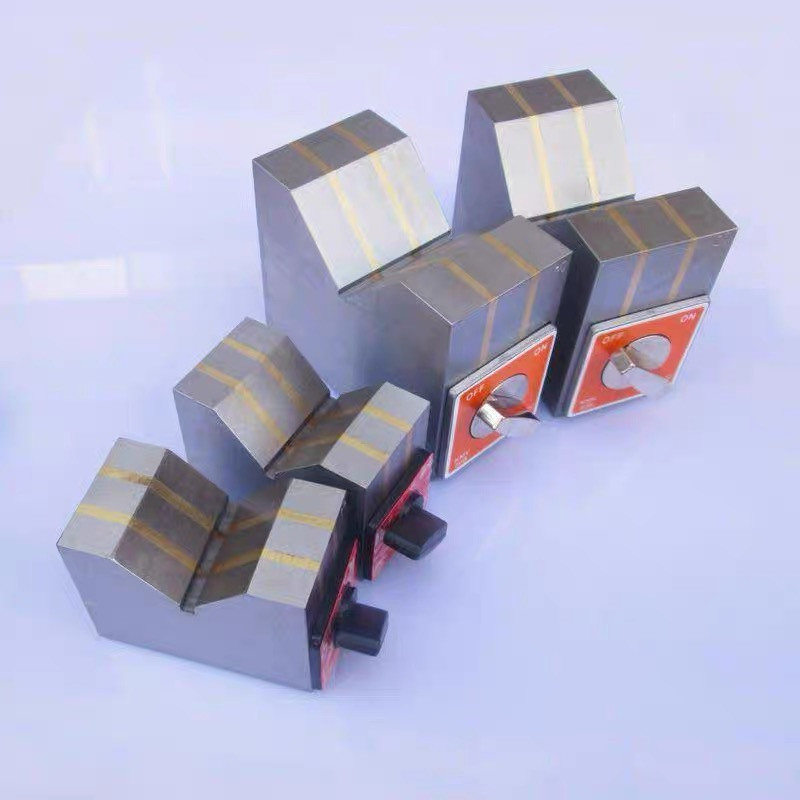
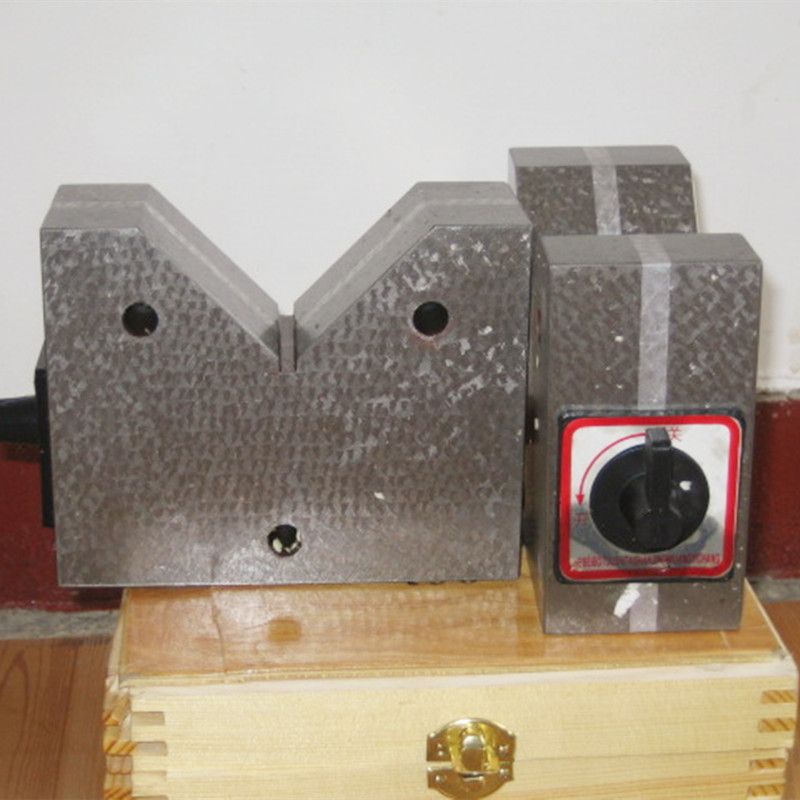
v block v block
Understanding V Block A Fundamental Tool in Manufacturing and Engineering In the world of manufactur

Wrought iron finials
The Timeless Elegance of Wrought Iron Caps An Architectural Delight Wrought iron caps, an integral
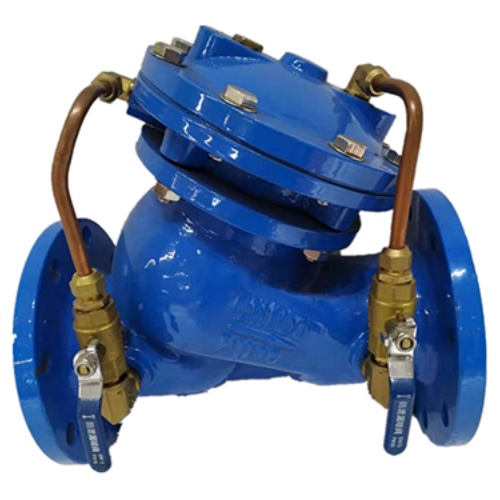
Valve anti - retour Baron
Le Vanne à Boule Un Dispositif Essentiel pour la Sécurité des Systèmes Hydraulique La vanne à boule
 English